
Tip & Trick

Mastering keyboard shortcuts can transform your typing speed and productivity. These 10 underused symbols starting with 'A'—from accented characters to special formatting—will help you type faster and add professional flair to your documents without switching layouts.
À (Grave Accent A)
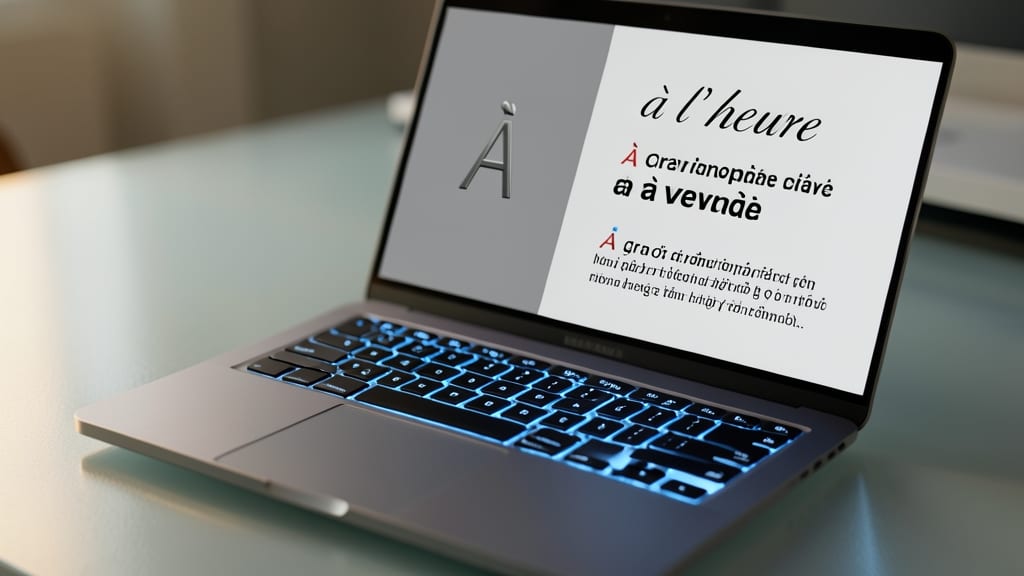
Struggling to type French "à l'heure" or Portuguese "à venda" without fumbling with language settings? The À (grave accent A) is your go-to for three of the world’s most spoken languages—yet most typists overlook this simple but powerful shortcut. Whether you're drafting a Vietnamese résumé or translating a French menu, this single character bridges language barriers with minimal effort.
On Windows, press Alt + 0192 for instant À, while Mac users can use Option + ` (backtick) followed by A. For Linux, try Compose + ` + A. This isn’t just for languages—it’s also critical in Unicode-sensitive programming (e.g., variable names like àTeste in Portuguese code) and technical documentation where proper diacritics prevent misinterpretation by automated systems.
Perfect for language learners, translators, or multilingual professionals, this shortcut keeps your typing fluid across cultures—no layout switches required. Master it, and you’ll type faster in French, Portuguese, and Vietnamese with confidence. 💻
Á (Acute Accent A)
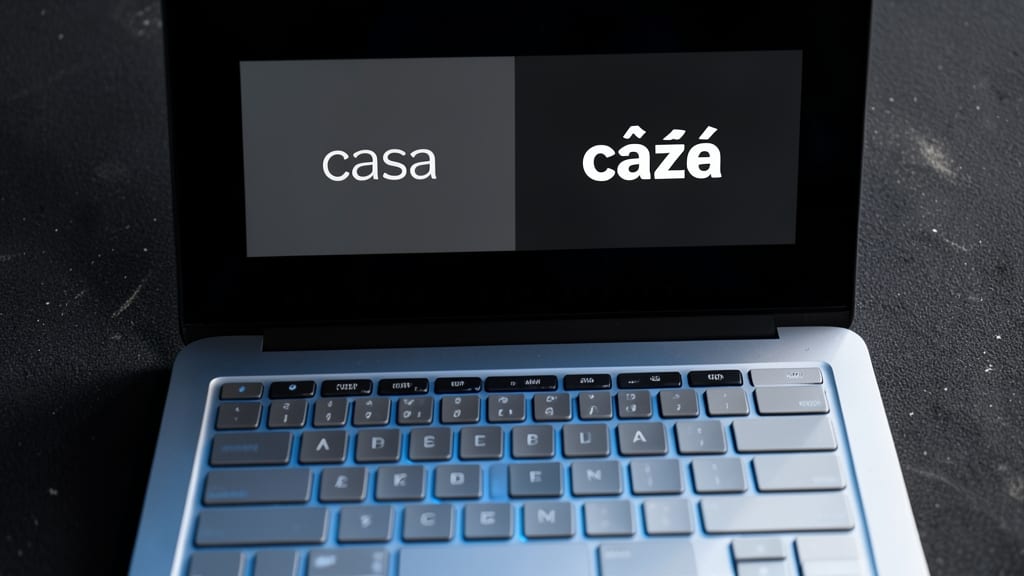
Crafting authentic Spanish, Hungarian, or Czech documents just got easier with the Á (acute accent A)—the unsung hero of Central and Eastern European typing. This single character transforms "casa" into "cáza" (Hungarian for "house") or "café" into a properly accented word in Spanish, ensuring linguistic accuracy without layout switches.
On Windows, type Alt + 0193 for instant Á, while Mac users can use Option + E followed by A. For developers, this accent appears in variable names (e.g., áEszköztár in Hungarian code) or when working with Unicode-sensitive programming languages like PHP or Java. It’s also critical for localization testing, where proper accents prevent misinterpretation in automated systems.
Perfect for translators, linguists, or developers handling multilingual projects, this shortcut keeps your work culturally precise—no more guessing at accents or switching keyboards mid-document. ⚡
 (Circumflex A)
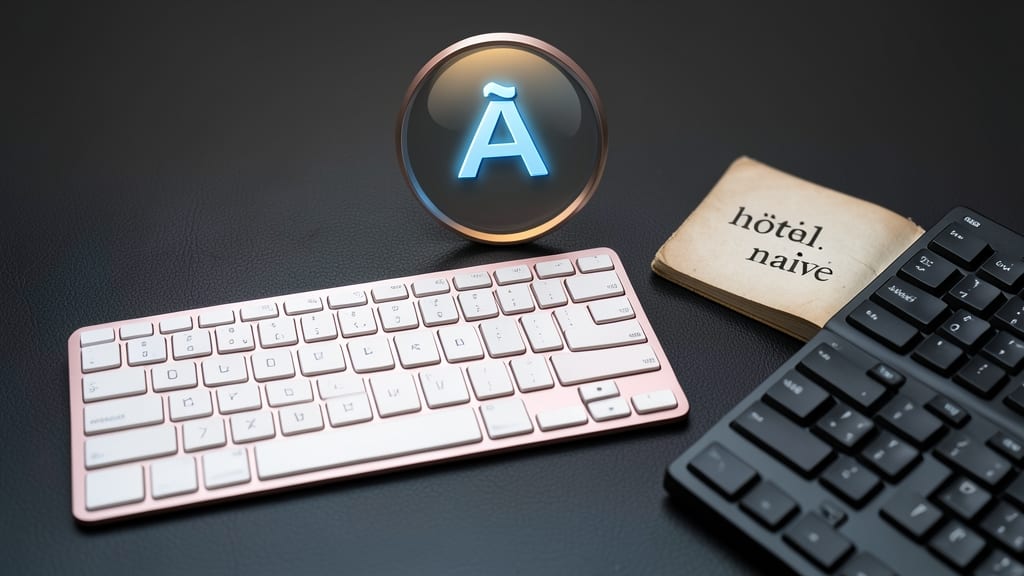
Need to type hôtel or naïve without fumbling with language settings? The  (Circumflex A) is your secret weapon for French, Dutch, and Vietnamese documents—yet it’s often the forgotten cousin in shortcut guides.
On Windows, press Ctrl + ' (apostrophe) followed by A for a quick Â. Mac users can use Option + E then A, while Linux often requires Compose + ^ + A. This symbol isn’t just for languages—it’s also used in mathematical notation (like x̂ for vectors) and chemical formulas (e.g., C₃H₆O).
Perfect for academic writers, international business professionals, or anyone drafting multilingual content. Mastering this shortcut saves time and keeps your documents linguistically precise. ✨
Ä (Diaeresis A)
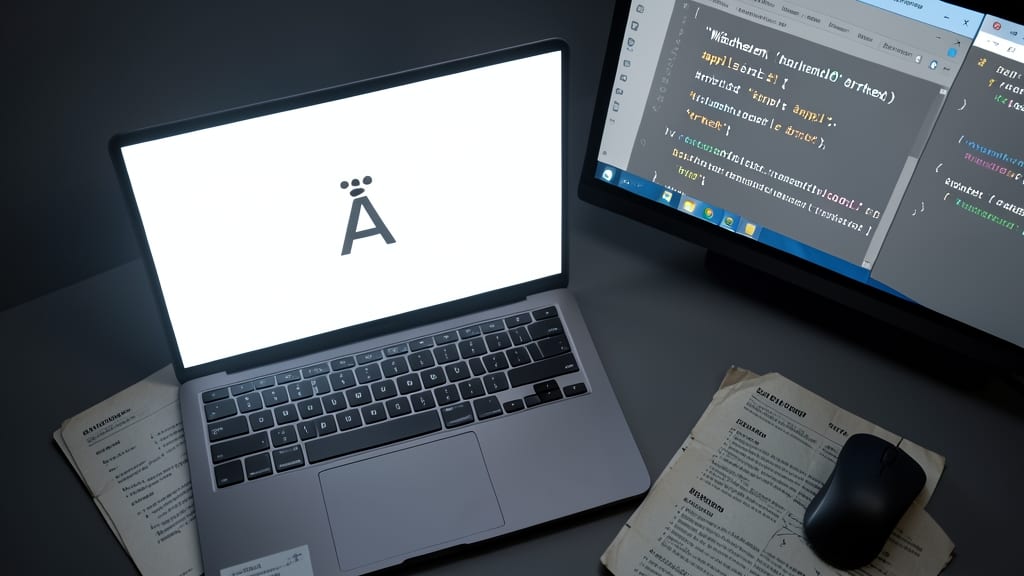
If you’ve ever struggled to type German, Swedish, or Turkish text—or needed special characters for coding in languages like Scala or Erlang—the Ä (diaeresis A) is your secret weapon. This two-dotted accent isn’t just for European languages; it’s also a staple in technical documentation and programming environments where Unicode support is critical.
On most keyboards, you can produce Ä using Alt + 0196 (Windows) or Option + A (Mac), but German/Swedish layouts include it natively on the A key. For developers, this character appears in variable names (e.g., äußere in German code) or when working with UTF-8 encoded files. Turkish typists rely on it for words like "gözlemler" (observations), where the diaeresis changes meaning entirely.
Perfect for multilingual professionals, localization specialists, or developers handling internationalized software. Master this one, and you’ll breeze through documents, code, and emails in a flash. ✨
Å (Angstrom Symbol)
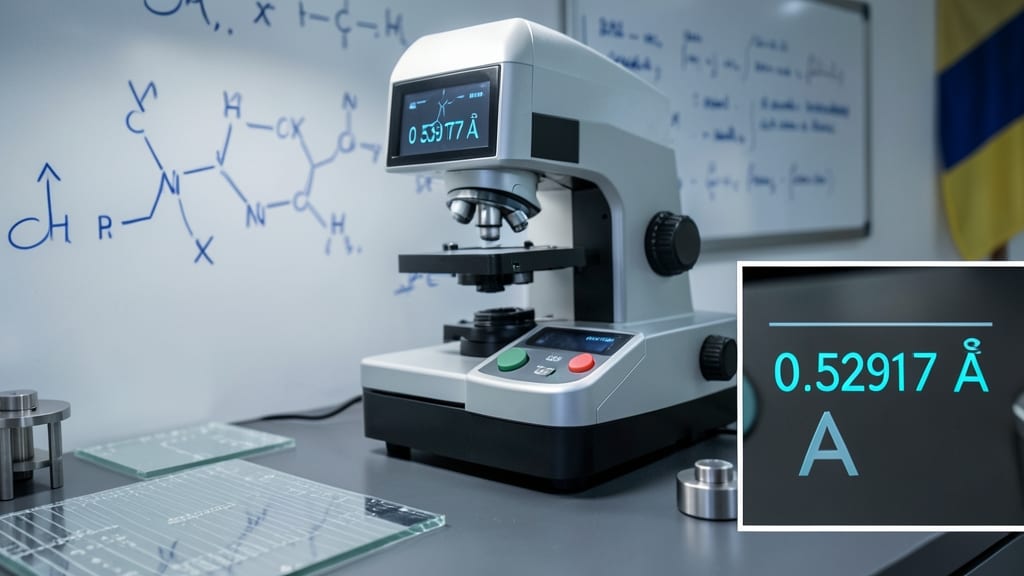
If you’ve ever seen a 0.529177 Å measurement in chemistry or physics, you’ve encountered the Ångström symbol—a unit so precise it measures atomic-scale distances. Beyond science, this symbol also stars in Swedish and Norwegian names (like Åland) and brand logos (e.g., ÅF, a Swedish engineering firm).
Typing Å is simple: on Windows, press Alt + 0214 on the numeric keypad. On Mac, use Option + 0214. In LaTeX, just type \AA for perfect formatting. Scientists rely on it for crystal lattice structures, while designers might use it for microscopic-scale diagrams or Nordic-themed projects.
Perfect for chemists, physicists, or anyone working with nanoscale data, this symbol bridges technical precision and cultural branding. ⚡
Alt Code Shortcut (Alt + 0197 for Á)
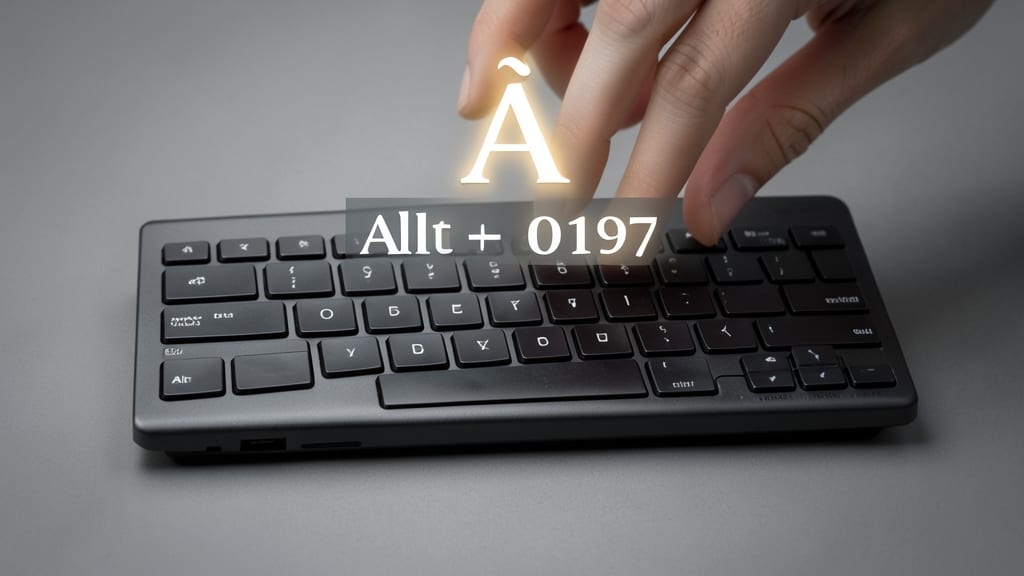
Stuck typing Á on a keyboard without accent keys? The Alt code shortcut (Alt + 0197) is your universal fix—no layout changes required. Whether you're on Windows or Mac, this method works instantly across any device with a numeric keypad.
Simply hold Alt, type 0197, then release—Á appears instantly. No need to hunt for hidden keys or install language packs. It’s perfect for quick edits in documents, coding comments, or multilingual chats without disrupting your workflow.
This trick is a lifesaver for travelers, developers, and anyone who needs accents on the fly. Try it in your next email or code snippet—no more interruptions! ⚡
Angled Quotation Marks (« »)
French and German typography standards demand precision—and angled quotation marks (« ») deliver it. Unlike standard straight quotes, these angled marks («like this») are the gold standard for legal contracts, academic papers, and multilingual documents, ensuring compliance with European formatting rules.
On most keyboards, you’ll find them via Alt + 0174 (opening quote) and Alt + 0175 (closing quote) on Windows, or by holding Option + Shift + [ ] on Mac. In Microsoft Word, enable the Envelope symbol (¶) shortcut (Ctrl + Shift + P) to toggle between straight and angled quotes effortlessly.
Perfect for lawyers, translators, or anyone drafting documents in French, German, or other European languages, these marks instantly elevate your work’s professionalism. ✨
Ampersand (&) with Alt Codes
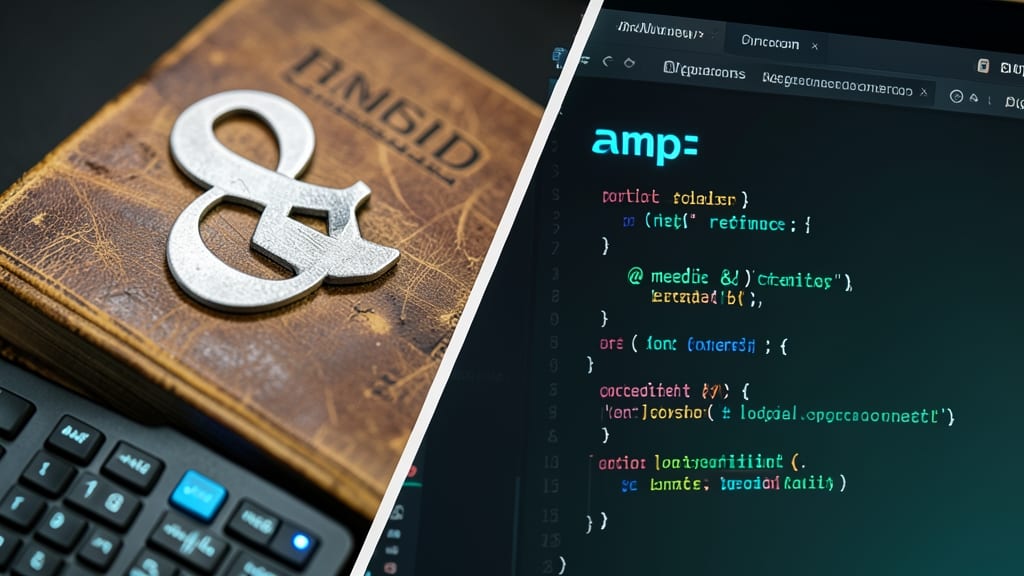
The ampersand (&) isn’t just for "and" in casual writing—it’s a powerhouse in HTML, CSS, and coding shortcuts that developers and designers use daily. From entity references (&) to logical operators in JavaScript, this symbol packs hidden functionality beyond basic typing.
Use Alt + 038 on Windows or Option + 5 on Mac to type it instantly. In code, it’s essential for creating HTML entities (e.g., < for <) or CSS pseudo-classes (e.g., &:hover). Even in Python or SQL, it appears in string concatenation or query syntax, making it a must-know for efficiency.
Frontend developers and designers will love how it streamlines HTML validation and CSS rules, while data analysts can use it for conditional logic in queries. Master this shortcut, and you’ll shave minutes off your coding workflow every day. ✨
Arrow Symbols (→ ← ↑ ↓)
If you’ve ever struggled to convey direction in a technical document or diagram, the arrow symbols (→ ← ↑ ↓) are your secret weapon. These aren’t just for basic navigation—they’re the backbone of flowcharts, UML diagrams, and engineering schematics, where precision matters.
On most keyboards, you’ll find them via Alt codes (e.g., Alt + 24 for →, Alt + 25 for ←) or by enabling Unicode input in your OS settings. In programming, they’re used in pseudocode, state machines, and even ASCII art—think of them as the visual shorthand for logic flow. For designers, they’re essential in tools like Figma or Visio for creating wireframes.
Engineers, programmers, and designers will appreciate how these symbols cut down on clutter in diagrams, making complex workflows instantly clearer. Master them, and you’ll level up your technical communication game. ✨
At Symbol (@) for Email

The @ symbol isn’t just for emails—it’s a coding powerhouse and social media staple. Whether you’re typing a Python decorator (@staticmethod) or crafting a Twitter handle, this shortcut saves seconds every time you use it.
On most keyboards, hold Shift + 2 to type it instantly. In coding, it marks decorators (functions that modify other functions) or package imports in Python. For non-tech users, it’s the backbone of usernames and hashtags, cutting down on manual symbol hunting.
Developers, marketers, and casual users all benefit—no more hunting for symbols in character maps. Master this one, and you’ll type faster across every platform. ⚡