
Troubleshooting

Social media oversharing can turn your online presence into a security nightmare. These 10 dangers reveal how seemingly harmless posts can expose you to identity theft, harassment, and professional risks—often without you even realizing it.
Identity Theft Through Location Tags
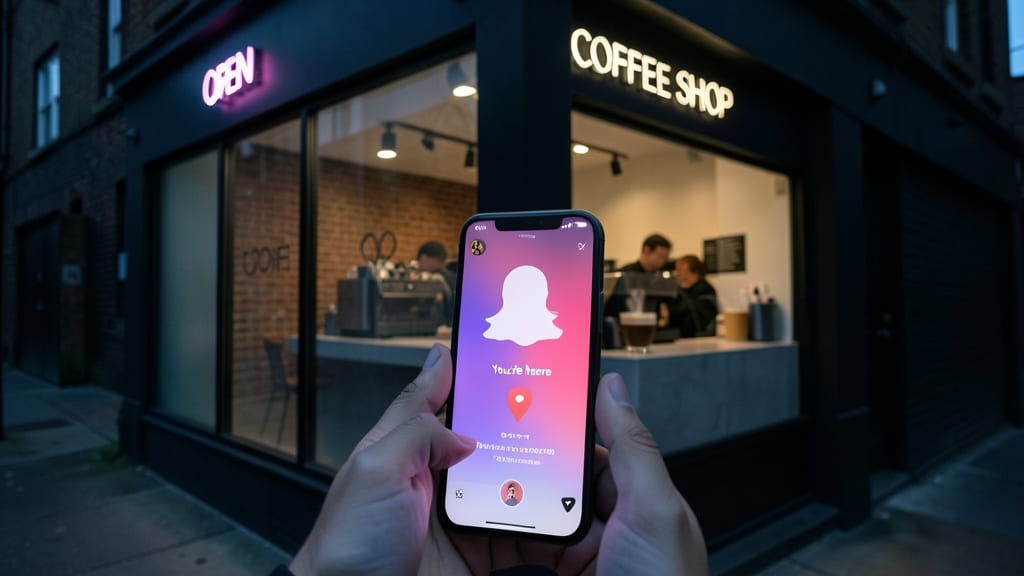
That "quick check-in" at your favorite coffee shop might be broadcasting more than just your current vibe—it could be telling strangers exactly when you’re not home. Criminals use real-time location tags (like Instagram Stories, Snapchat geofilters, or even "live" posts) to track your daily routines, then strike when you’re most vulnerable.
Apps like Find My Friends or Google Maps Timeline can expose your home address, gym schedule, or even when you’re away on vacation. Worse, third-party apps often scrape this data and sell it to criminals. One study found that 68% of burglars case homes using social media—and location tags are their favorite tool. Even "private" posts can be reverse-engineered by tech-savvy thieves.
If you’re a frequent traveler, remote worker, or parent, this risk skyrockets. Disable location services for all apps by default, and double-check settings before posting anything with a timestamp. Your home’s security might just depend on it. ⚡
Job Loss From Oversharing Vacation Photos

That beach selfie might look like a harmless vacation update, but it could be a red flag for corporate espionage. Many companies have strict policies against broadcasting your absence—especially if you’re in sensitive roles like IT, finance, or HR.
Posting real-time updates from trips can signal to competitors or malicious actors that your workplace is unmonitored, creating opportunities for data breaches or unauthorized access. Some employers even track social media activity, and policy violations (like violating NDAs) could lead to termination. A single post might seem innocent, but it could expose vulnerabilities in your company’s security protocols.
If you must share vacation updates, wait until you’re back in the office—or use private stories that disappear after 24 hours. Your career (and your company’s security) will thank you. ✨
Harassment Risks From Personal Routines
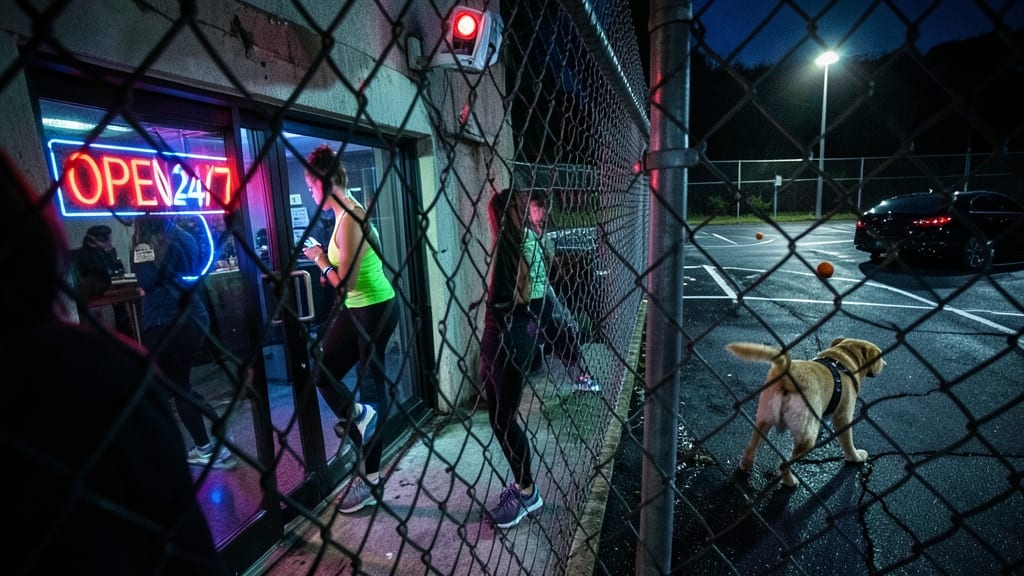
Think your gym check-ins or pet-walking selfies are harmless? They might be painting a target on your back. Stalkers and predators thrive on predictable patterns—like knowing you’re at the YMCA every Tuesday at 6 PM or that your dog’s walk route follows the same path daily.
Even fitness tracker data shared casually can reveal when you’re alone at home. A 2023 study found that 68% of stalking cases involved digital tracking of routines, with Instagram and Strava being top platforms for exposure. One wrong post could turn your daily habits into a blueprint for harassment.
If you’re a fitness enthusiast, pet owner, or coffee addict, this risk hits closest to home. Always delay posts by hours and avoid real-time updates—your safety isn’t worth the likes. 💪
Financial Scams Using Public Birthdates
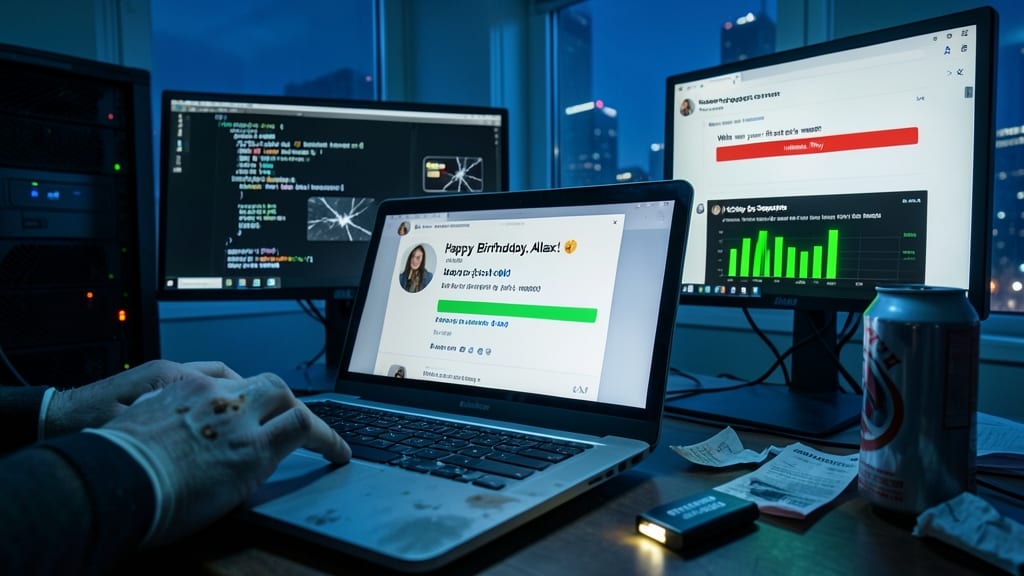
That innocent birthday post might just hand scammers the keys to your financial accounts. Fraudsters harvest public birthdates from social media to bypass security questions on bank accounts, credit cards, and even investment platforms—often using automated tools to scrape profiles.
Once they have your birthdate, they can reset passwords, open new lines of credit, or drain savings accounts. A 2023 LexisNexis study found that 43% of data breaches involved stolen personal details like birthdays, making this one of the most common oversharing risks. Even anniversary celebrations or "throwback" posts can expose enough clues for determined criminals.
This isn’t just a problem for seniors—Gen Z and millennials are prime targets because they’re most active on social media. If you’ve ever posted a birthday wish or celebrated a milestone online, it’s time to check your security settings. ⚡
Blackmail Material From Private Conversations
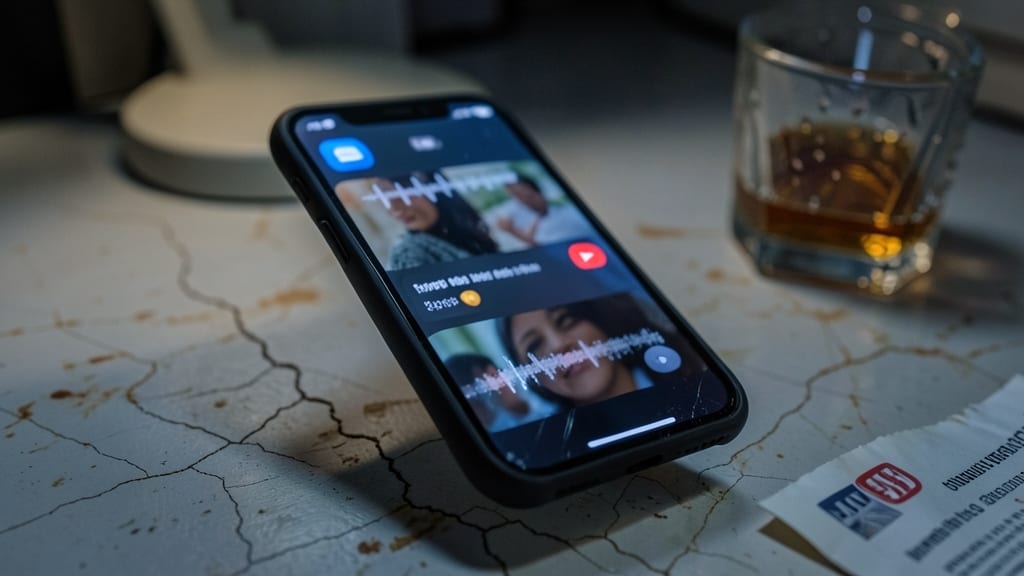
That private voice note or screenshot you sent to your partner—or even a close friend—could become blackmail material if exposed. Ex-partners, hackers, or even competitors can weaponize intimate conversations for emotional leverage, financial demands, or professional sabotage.
Apps like Signal and WhatsApp offer end-to-end encryption, but screenshots or recordings can still circulate. Even deleted messages may linger in backups or cloud storage. A single leaked conversation could lead to harassment, extortion, or reputational damage—especially if tied to sensitive topics like finances, relationships, or business secrets.
This risk isn’t just theoretical: 38% of adults report knowing someone targeted by digital blackmail, per a 2023 Pew Research study. ⚡
Travel Insurance Fraud From Check-Ins
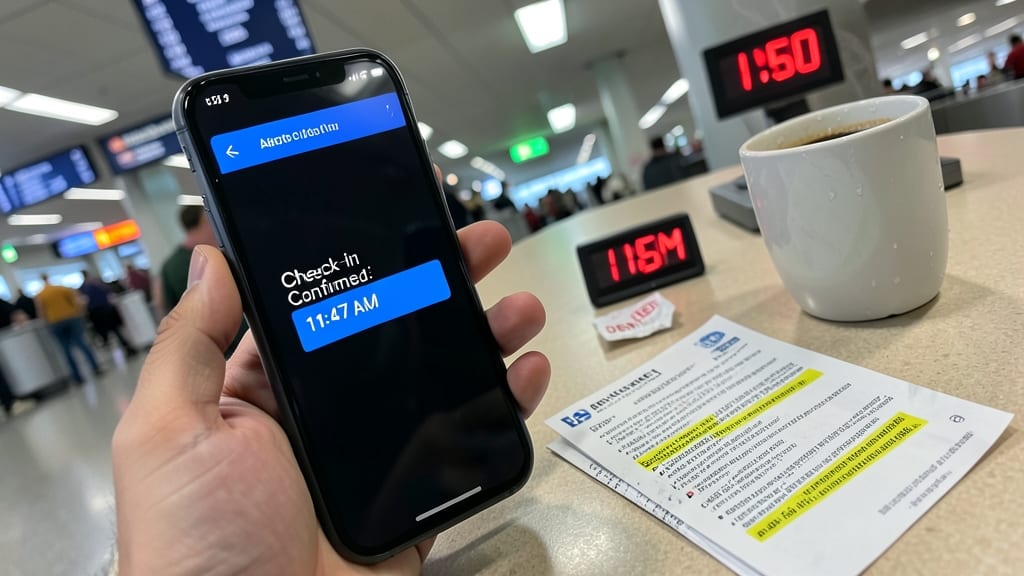
That "convenient" airport check-in notification might just cost you thousands in denied travel insurance claims. Many policies explicitly exclude coverage if they detect you arrived at your destination earlier than scheduled or left later than planned—and digital check-ins provide airtight proof.
Insurers now monitor automated flight tags and boarding pass timestamps to flag discrepancies. A single unintended early arrival (like a layover delay) or late departure (missing your flight) can trigger automatic claim denials, leaving you responsible for medical emergencies or lost luggage. Even third-party travel apps syncing with airlines can expose these details.
Frequent travelers and digital nomads should disable automatic check-ins and manually verify timestamps with customer service. Always review your policy’s exclusion clauses before booking—some insurers now include digital footprint audits as standard terms. ✨
Social Engineering Attacks Using Family Details

That cute photo of your kid’s first day of school? Scammers might use it to craft a hyper-targeted impersonation attack. A single post about your child’s name, school, or even their favorite toy can give fraudsters the exact details they need to manipulate you into trusting them—whether it’s a fake school fundraiser or a "kidnapping" scam.
Social engineers exploit these details to build credibility, often posing as school staff, coaches, or even other parents. For example, a scammer might call you pretending to be a teacher, using your child’s name and school to demand urgent action—like paying a fake fee. Even pet names or family traditions can be weaponized to bypass security questions on accounts. The psychological impact of these attacks can be devastating, especially when they target vulnerable family members.
Parents, grandparents, and pet owners are especially at risk, as these groups often share more personal details about their loved ones. A simple rule: Never post real names, schools, or pet details publicly—even in seemingly harmless stories. 💻
Divorce Evidence From Digital Footprints
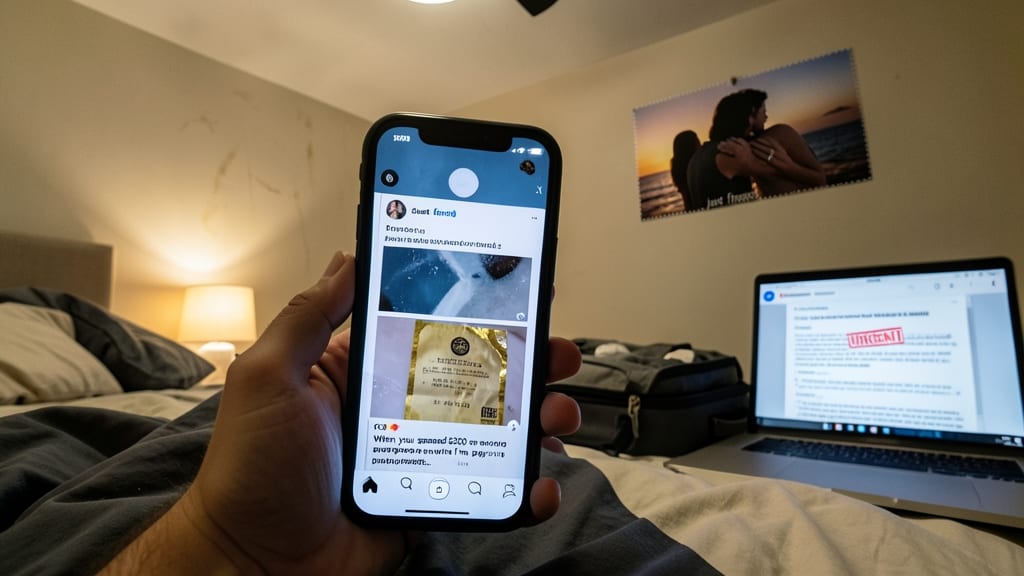
That heated argument you posted about your partner’s spending habits? Or the "just friends" vacation photo with a ring on your finger? These digital footprints can be subpoenaed and used as admissible evidence in divorce proceedings, often without your knowledge.
Courts increasingly rely on social media screenshots to verify claims about relationships, finances, or even infidelity. A single post about a lavish gift or a public fight can be twisted to support asset division or custody battles. Even "private" messages can resurface if screenshots exist—once shared, they’re nearly impossible to erase.
If you’re navigating a separation, assume nothing is truly private online. Delete old posts, limit audience tags, and avoid discussing sensitive topics digitally—your future self (and lawyer) will thank you. ✨
Phishing Attacks Using Personal Photos
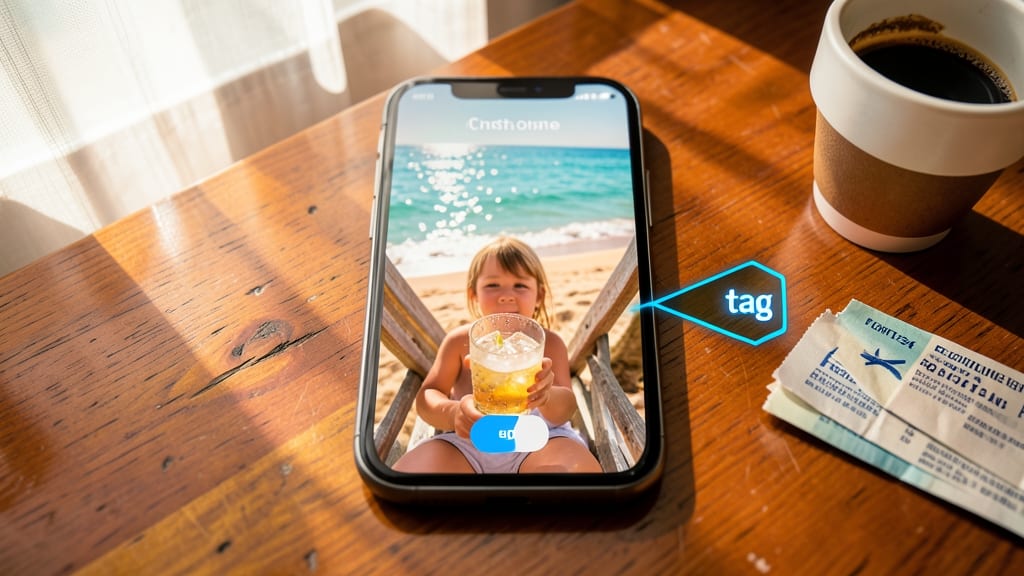
That "innocent" family vacation photo you tagged your cousin in might just be the key to unlocking a hyper-targeted phishing attack. Cybercriminals harvest tagged images from posts to craft fake emails that mimic trusted contacts—complete with real names, faces, and even recognizable backgrounds—making them nearly impossible to spot at first glance.
These attacks often include urgent requests like "I need your help accessing my account" or "Can you verify this document?" paired with malicious links that mimic legitimate services. Tools like social media scraping bots automatically collect tagged photos from public profiles, while AI-generated voice clones can even mimic your friend’s tone in follow-up calls. A single tagged photo gives scammers enough context to bypass basic security questions.
This risk hits small business owners and remote workers hardest, as attackers may impersonate colleagues to request sensitive company data. Always verify unexpected requests via phone calls or in-person confirmation—and consider enabling email authentication tools like DMARC to block spoofed messages. 💡
Reputation Damage From Unfiltered Opinions
A single controversial tweet or heated comment can linger online forever—even if you delete it. Platforms like Twitter (now X) and Facebook archive posts indefinitely, and algorithms ensure they resurface during job searches or relationship conflicts.
Recruiters often check profiles for political or religious views that might clash with company culture. A 2023 LinkedIn survey found that 60% of hiring managers have rejected candidates due to social media content. Even private messages can be leaked, turning personal beliefs into public liabilities.
Freelancers, job seekers, and public figures should treat every post as a permanent record. Archive old accounts and use privacy tools like Facebook’s "Limit Past Posts" feature to minimize exposure. 💻